When regional forms were first introduced in the world of Pokémon, many players reacted with a mix of delight and skepticism. Seeing a familiar creature reimagined with a new type, appearance, or personality felt exciting – but also a little suspicious. Were these designs simply a clever way to resell nostalgia, or was something deeper going on?
If you’ve ever caught yourself thinking, “This is cool… but is it necessary?” you’re not alone. Let’s unpack what regional forms really are from a game design perspective – and why they’ve become one of the most intelligent long-term design choices in modern Pokémon games.
A Quick Reminder: What Are Regional Forms?
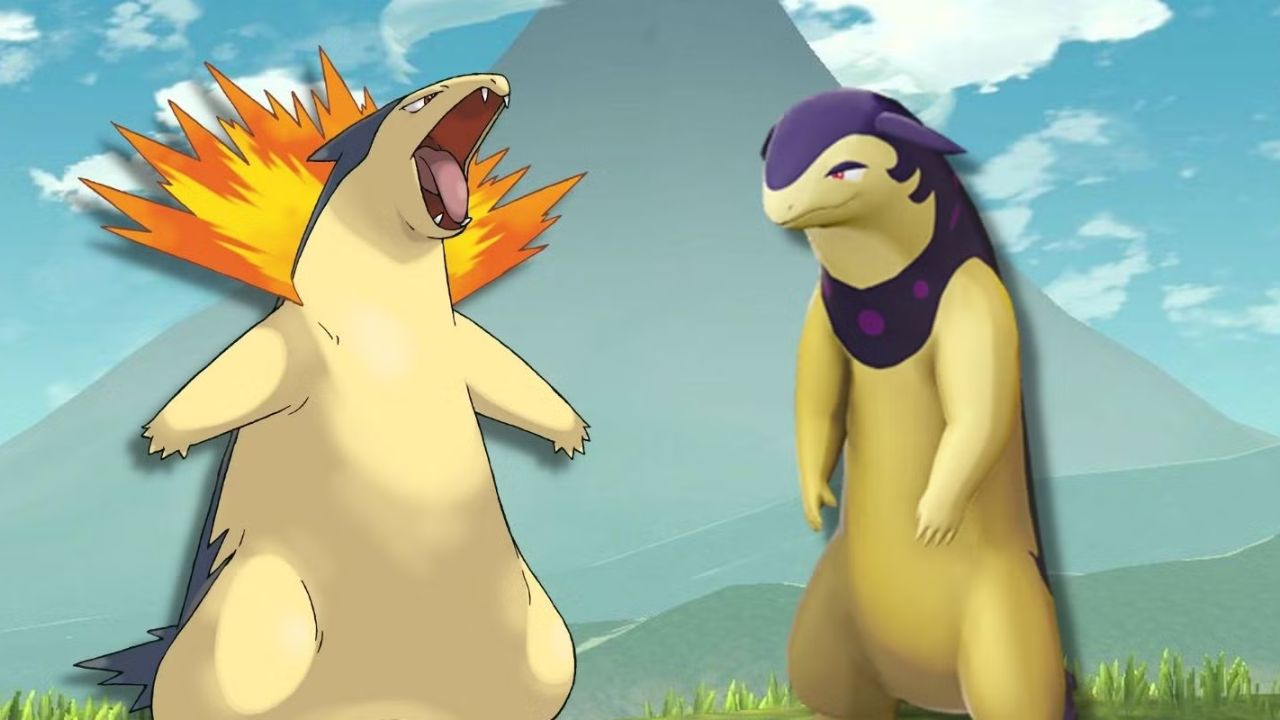
Regional forms (also called regional variants) are alternate versions of existing Pokémon that appear in specific regions. Think of Alolan Forms, Galarian Forms, or Hisuian Forms. These Pokémon often have different typings, moves, abilities, and even evolutions.
On the surface, it’s an elegant twist on old favorites. But under the hood, regional forms quietly solve several long-standing game design challenges.
The Nostalgia Trap – and How Regional Forms Escape It
Nostalgia is powerful, but dangerous. Lean on it too much, and a franchise risks stagnation. Ignore it entirely, and you alienate long-time fans.
Regional forms strike a rare balance.
Instead of simply reusing old Pokémon as-is, the design team at Game Freak asks a more interesting question:
What if this Pokémon had evolved somewhere else, under different conditions?
That single idea reframes nostalgia as reinterpretation rather than repetition. Players recognize the Pokémon instantly, but they’re forced to relearn how it works. A familiar face becomes an unfamiliar problem to solve – and that’s excellent game design.
Environmental Storytelling Through Mechanics
One of the most underrated strengths of regional forms is their ability to tell stories without words.
A Pokémon’s type change often reflects its environment:
- Hot climates produce fire- or grass-based adaptations
- Cold regions favor ice or dark variations
- Harsh, competitive regions create more aggressive move pools
This is environmental storytelling done through mechanics, not cutscenes. The player feels the world’s logic simply by battling and catching Pokémon.
For game designers, this is gold. It shows how gameplay systems can reinforce worldbuilding organically – something many games struggle to achieve.
Meta Refresh Without Power Creep
Competitive balance is another hidden win.
Instead of endlessly creating stronger Pokémon (which leads to power creep), regional forms allow designers to reshuffle the meta. An underused Pokémon can suddenly become viable thanks to:
- A new typing
- A better ability
- Access to different moves
Players who had written off certain Pokémon are encouraged to experiment again. It’s not about making everything stronger – it’s about making choices more interesting.
This approach mirrors good design thinking in other fields as well. In content creation or marketing, for example, refreshing how something is presented often works better than replacing it entirely. Even tools like voiceover AI succeed not because they invent storytelling from scratch, but because they reinterpret familiar workflows in more innovative ways.
Teaching Players to Unlearn (In a Good Way)
Regional forms gently break player assumptions.
You think you know how this Pokémon behaves. You’re wrong – and the game proves it quickly.
That moment of surprise creates engagement. The player is no longer on autopilot. They’re learning again, adapting again. From a design standpoint, that’s invaluable. It keeps experienced players mentally active without overwhelming newcomers.
This principle applies far beyond games. Any system – educational, creative, or professional – benefits when users are encouraged to re-examine what they “already know.” That’s why formats that remix familiar ideas, like short-form video explainers enhanced with voiceover AI, often outperform entirely original but unfamiliar approaches.
Cultural Inspiration Without Reinvention
Another subtle advantage: regional forms allow cultural inspiration without bloating the Pokédex.
Each region draws loosely from real-world cultures, climates, and myths. Regional variants serve as a flexible canvas for this influence, allowing designers to explore new themes without introducing dozens of entirely new species.
From a production standpoint, this is efficient. From a creative standpoint, it’s respectful. The game acknowledges diversity and change while maintaining a coherent identity.
Fan Service… But the Smart Kind
Let’s be honest – regional forms are fan service. And that’s okay.
The key difference is that this fan service serves the game, not just the audience. It:
- Deepens gameplay
- Strengthens worldbuilding
- Refreshes competitive balance
- Encourages experimentation
Bad fan service winks at the player and moves on. Good fan service reshapes how the game is played.
What Designers (and Creators) Can Learn From This
If you’re a game designer, content strategist, or creative professional, regional forms offer a powerful lesson:
You don’t always need something new.
Sometimes you need something rethought.
Reimagining existing assets through a new lens – environmental, cultural, or functional – can unlock more value than constant reinvention. Whether you’re redesigning a product, refreshing a brand voice, or experimenting with tools like voiceover AI to breathe life into familiar content formats, the principle is the same.
Conclusion: Definitely More Than Fan Service
So, are regional forms more than just fan service? Absolutely.
They’re a case study in sustainable design – how to honor the past while still moving forward. By blending nostalgia with mechanical depth and environmental logic, regional forms keep Pokémon feeling fresh without losing its soul.
The next time you encounter a regional variant, don’t just see it as a remix. See it as a design conversation between the past and the present – and a reminder that evolution, in games and beyond, doesn’t always mean starting over.