Introduction
Upgrading your home can feel exciting and overwhelming at the same time. You want better comfort, higher value, and a space that actually fits your lifestyle—but you don’t want to waste money or make decisions you’ll regret later. That’s exactly why home upgrading advice mintpalment has become such a searched-for topic among homeowners looking for clarity instead of confusion.
In reality, most people don’t fail at home upgrades because they lack motivation. They fail because they start without a plan, chase trends blindly, or underestimate costs. A smart upgrade isn’t about doing everything at once—it’s about making the right improvements at the right time.
This guide is designed to help you think like a seasoned homeowner, not a contractor or influencer. We’ll walk through practical upgrades, real-world examples, cost considerations, and decision frameworks that actually work. Whether you live in a small apartment or a growing family home, this article gives you grounded, usable insight.
Table of Contents
Planning Before You Upgrade
Smart Structural Home Improvements
Energy-Efficient Upgrades That Pay Back
Interior Upgrades That Improve Daily Living
Technology and Smart Home Enhancements
Budgeting and Cost Control Strategies
Mistakes Homeowners Commonly Regret
Personal Background and Financial Perspective
Frequently Asked Questions
Conclusion
Planning Before You Upgrade
Every successful home improvement begins long before tools come out. Planning isn’t optional—it’s the difference between upgrades that feel rewarding and upgrades that feel like financial stress.
Why Planning Matters More Than Materials
Many homeowners focus on what to upgrade instead of why. When upgrades are disconnected from actual needs, money leaks fast. home upgrading advice mintpalment always starts with intent: comfort, efficiency, resale value, or safety.
Ask yourself:
- Is this upgrade solving a daily problem?
- Will it reduce long-term costs?
- Does it match how I use my home?
Clear answers prevent impulsive decisions.
Creating a Priority Upgrade List
Instead of a long wishlist, build a tiered plan:
- Essential upgrades – safety, leaks, wiring, insulation
- Efficiency upgrades – energy, water, maintenance reduction
- Lifestyle upgrades – aesthetics, convenience, personalization
This approach ensures foundational work supports future improvements rather than being undone later.
Smart Structural Home Improvements
Structural upgrades are rarely glamorous, but they create the strongest long-term returns.
Roofing, Insulation, and Foundations
A well-insulated home can reduce heating and cooling costs by up to 30%. Roofing upgrades protect everything beneath them. Foundation repairs prevent exponential future costs. These upgrades don’t show on Instagram—but buyers and inspectors notice them immediately.
Windows and Doors: Small Changes, Big Impact
Upgrading old windows improves:
- Indoor temperature stability
- Noise reduction
- Security
- Energy efficiency
Modern double-glazed windows often pay for themselves through energy savings over time.
Energy-Efficient Upgrades That Pay Back
Energy upgrades are where comfort meets long-term savings.
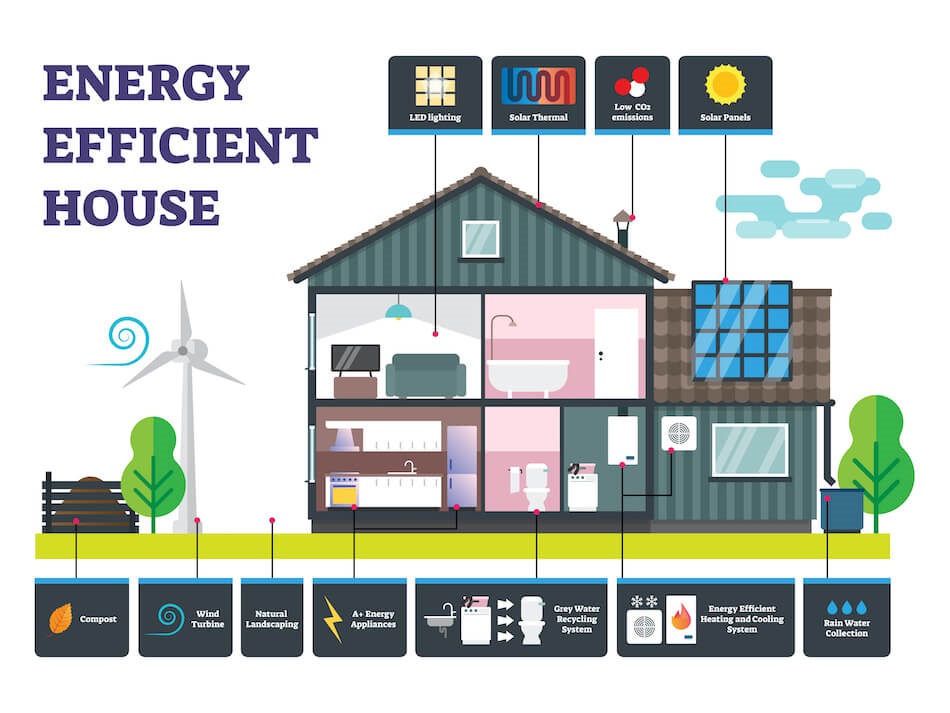

Lighting and Electrical Efficiency
Switching to LED lighting reduces electricity usage dramatically while lasting years longer than traditional bulbs. Smart lighting adds scheduling and automation without major rewiring.
Solar and Renewable Energy Options
Solar panels are no longer niche. For many homes, they:
- Reduce monthly utility bills
- Increase property value
- Provide energy independence
Not every home needs full solar coverage, but partial systems often make sense financially.
Water-Saving Upgrades
Low-flow fixtures, modern toilets, and smart irrigation systems cut water use without affecting comfort. Over years, these savings compound quietly but significantly.
Interior Upgrades That Improve Daily Living
Interior upgrades affect how your home feels every single day.
Kitchen Improvements That Matter
You don’t need a full remodel to see improvement. High-impact changes include:
- Better lighting
- Modern storage solutions
- Energy-efficient appliances
Countertops and cabinets matter less than functionality and workflow.
Bathroom Upgrades for Comfort and Hygiene
Upgrades like ventilation, moisture-resistant materials, and efficient fixtures improve health as much as aesthetics. Mold prevention alone can save thousands long-term.
Flooring Choices That Last
Durability matters more than trends. Engineered wood, luxury vinyl, and tile often outperform traditional materials in busy households.
Technology and Smart Home Enhancements
Technology upgrades should simplify life—not complicate it.


Smart Climate Control
Smart thermostats learn your habits and reduce energy waste automatically. Many homeowners see noticeable savings within months.
Security and Monitoring Systems
Modern security systems offer peace of mind through:
- Mobile alerts
- Remote monitoring
- Insurance discounts
These upgrades blend safety with convenience.
Home Automation Basics
Start small. Automate lighting, temperature, or locks before expanding. Over-automation without purpose often causes frustration instead of comfort.
Budgeting and Cost Control Strategies
Money mistakes are the most common upgrade regret.
Setting a Realistic Budget
A practical budget includes:
- Project cost
- Contingency buffer (10–20%)
- Maintenance expectations
Ignoring buffers turns minor surprises into major stress.
When DIY Makes Sense—and When It Doesn’t
DIY works best for cosmetic upgrades. Electrical, plumbing, and structural work often cost more when mistakes happen. Professional help is sometimes the cheapest option long-term.
Financing Home Upgrades
Home improvement loans, phased upgrades, and energy rebates all reduce pressure. Smart homeowners treat upgrades as staged investments, not one-time expenses.
Mistakes Homeowners Commonly Regret
Learning from others saves money and stress.
Chasing Trends Instead of Needs
Trendy finishes age quickly. Functional upgrades remain valuable for decades.
Ignoring Maintenance Costs
Every upgrade adds maintenance. Choose materials and systems you can realistically maintain.
Over-Upgrading for the Neighborhood
Luxury upgrades in modest areas rarely return full value. Match improvements to local market expectations.
Personal Background and Financial Perspective
The principles behind home upgrading advice mintpalment come from years of observing homeowner behavior rather than contractor marketing. Many financially successful homeowners share one habit: they upgrade with patience and intention.
Instead of reacting emotionally, they treat their homes like long-term assets. Their career journeys often reflect the same mindset—measured growth, strategic investment, and controlled risk. Financially, this approach consistently preserves capital while improving quality of life.
Homes upgraded thoughtfully tend to require fewer emergency repairs, command stronger resale value, and support healthier living environments.
Frequently Asked Questions
What is the first upgrade every homeowner should consider?
Safety and insulation improvements usually provide the best starting point.
How often should homes be upgraded?
Continuous small improvements every few years work better than major overhauls.
Is home upgrading advice mintpalment suitable for renters?
Yes, many tips apply to temporary and reversible upgrades.
Do smart home upgrades really save money?
When used intentionally, yes—especially energy and climate controls.
How much should I budget annually for home upgrades?
Many experts suggest 1–3% of property value per year.
Are energy upgrades better than aesthetic upgrades?
In most cases, energy upgrades provide better long-term returns.
Can upgrades increase mental well-being?
Absolutely—lighting, air quality, and layout all affect mood.
What upgrades improve resale value most?
Kitchens, bathrooms, insulation, and energy efficiency rank highest.
Conclusion
Upgrading a home isn’t about perfection—it’s about progress. The best results come from thoughtful planning, realistic budgeting, and upgrades that align with how you actually live. home upgrading advice mintpalment emphasizes practicality over hype, patience over impulse, and long-term value over short-term excitement.
When you treat your home as both a living space and a long-term investment, upgrades stop feeling stressful and start feeling empowering. The smartest homes aren’t the most expensive ones—they’re the most intentional.