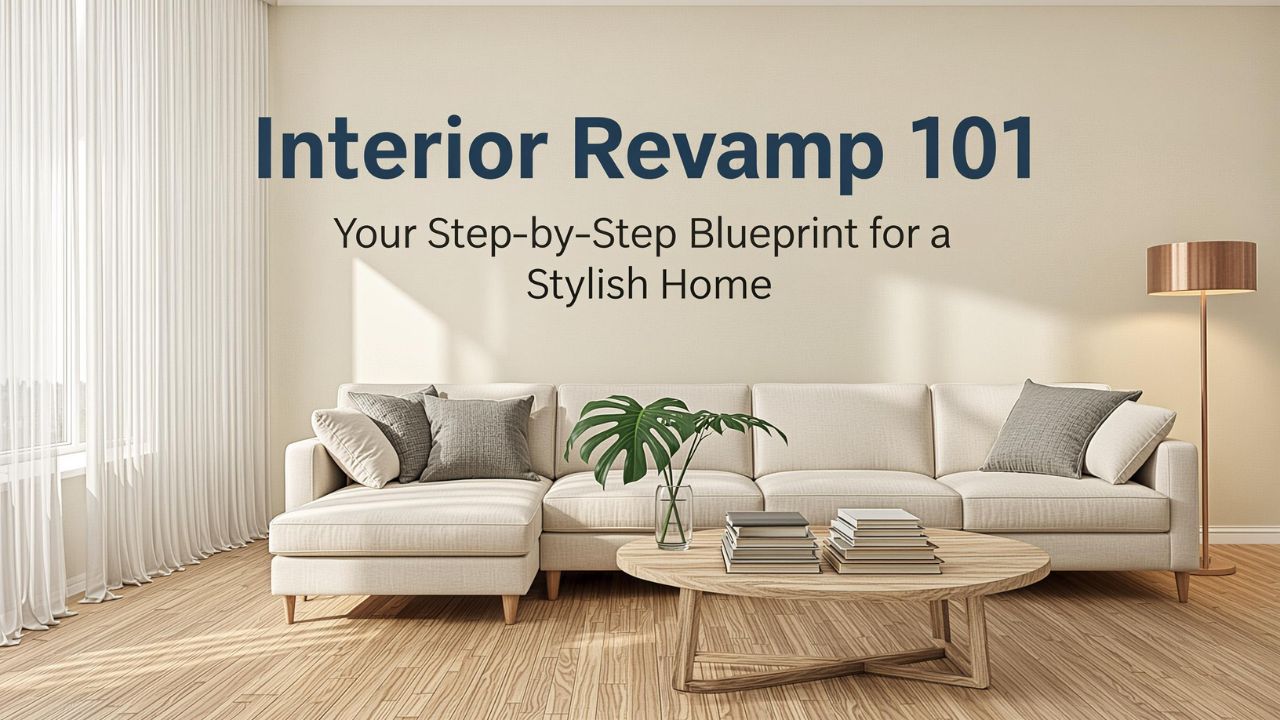
Your home reflects your personality, lifestyle, and sense of comfort. Over time, however, even the most beautiful interiors can start to feel dated or uninspiring. However, that doesn’t mean your home needs a complete renovation. With a thoughtful plan and a few key updates, you can breathe new life into every corner of your home.
Whether you want to refresh your living space, upgrade your décor, or improve functionality, an interior revamp helps you achieve a look that feels both modern and personal. This article will guide you through a step-by-step blueprint to plan, fund, and execute a stylish home transformation.
Define Your Vision and Style
Every great interior revamp starts with a vision. Before you move furniture or shop for new décor, take time to decide what kind of home you want to live in. Think about how you want your space to feel when you walk through the door. Do you imagine something sleek and modern or warm and traditional? Identifying your style helps you make consistent decisions later on.
A good way to clarify your taste is by collecting inspiration. Browse home design websites, social media, and magazines to find looks that catch your eye. Save images and note what stands out. Once you notice patterns in your preferences, create a vision board that reflects your ideal aesthetic.
Plan Your Budget: Funding Your Interior Revamp
Once you know your vision, the next step is to understand how much you can afford to spend. A budget helps you stay realistic and prevents financial strain later. Estimate the total cost of your project, including materials, labor, décor, and a cushion for unexpected expenses.
If you plan to use savings, make sure you leave enough for emergencies. If you’re considering a loan or tapping into your home’s equity, take a close look at current mortgage rates. Even a small increase in rates can affect your monthly payments and overall spending power. Understanding these numbers early helps you plan a project that fits comfortably within your financial limits.
It’s better to invest in quality upgrades that last rather than spreading your funds too thin. Create a list of priorities so you know where to spend more and where you can cut back.
Assess What You Already Have
Before shopping for anything new, take a good look at what’s already in your home. Many times, you can create a fresh look with what you already own. Rearranging furniture, changing fabric covers, or repainting old pieces can make a huge difference without breaking the bank.
Make a list of what’s worth keeping, what can be updated, and what needs to go. Sentimental pieces or sturdy furniture might only need a small upgrade to fit your new vision. Repurposing not only saves money but also adds a personal touch to your design. Sometimes, a familiar piece in a new setting can become the highlight of your room.
Set Priorities and a Timeline
Once you know what you want and what you have, it’s time to organize your plan. Decide which areas of your home need attention first. Maybe your living room feels outdated, or your bedroom needs better lighting. Focus on one space at a time to stay efficient and avoid feeling overwhelmed.
Set a practical timeline that includes each stage of your project—painting, furniture setup, décor updates, and finishing touches. When you have deadlines, you can track progress and stay motivated. Having a schedule also helps coordinate with contractors or delivery services if you’re ordering materials.
Choose a Color Palette That Fits Your Mood
Color plays a major role in how your home feels. It can set the mood, create energy, or bring calm. Before painting walls or buying décor, think about how you want each room to feel. Warm tones like beige and terracotta create a cozy atmosphere, while cooler shades like gray and blue bring calmness and balance.
Choose a palette that adds harmony and makes the whole home feel connected. Try painting small samples on your walls and observe them during different times of the day. Light can change how a color looks, so take your time before deciding.
Update Lighting for a Fresh Ambiance
Lighting is one of the most powerful elements in home design. It changes how a room feels, highlights your décor, and even affects your mood. A dark or poorly lit space can feel smaller and less inviting, while good lighting opens up a room and adds warmth. To begin, take note of how light moves through your home during the day. If you have access to natural light, make the most of it by keeping windows clean and using lighter curtains that let sunshine filter in.
When it comes to artificial lighting, layering is key. Combine overhead lighting with task lighting, such as reading lamps or under-cabinet lights, and add accent lighting to showcase artwork or architectural features. For an eco-friendly touch, switch to LED bulbs—they use less energy, last longer, and are available in various color temperatures to suit your ambiance.
Invest in Quality, Not Quantity
A stylish home doesn’t need to be filled with furniture or décor. What matters most is that every piece has a purpose and adds value. Instead of rushing to fill your space, take time to choose items that are durable, comfortable, and timeless. Quality materials, such as solid wood, metal, and natural fabrics, age gracefully and add character over time.
When shopping, think long-term. A sturdy dining table, a well-built sofa, or a handcrafted rug can last for years and still look great. Avoid trends that fade quickly and instead focus on neutral designs you can easily refresh with new accessories later.
Add Personality with Accessories
Accessories are what make a home feel lived-in and personal. They add warmth, color, and character without requiring a full redesign. Start by layering in small details that speak to your style—throw pillows, rugs, vases, or wall art. Mix textures like linen, wood, and metal to add depth and variety.
Plants are another great addition. They bring life and freshness to a room while improving air quality. Artwork also plays an important role in adding personality. Display pieces that have meaning, such as travel photos, family heirlooms, or handmade crafts.
Your home is more than a collection of rooms—it’s a living space that mirrors your values, routines, and ambitions. Revamping it gives you the chance to reconnect with how you live and what you love. Each choice, from lighting to layout, influences not just how your home looks but how it feels to be in it. A well-designed interior is not just stylish; it’s empowering. It shapes how you move, think, and rest. So, let your space inspire you every day and remind you that a thoughtful home is one of the most rewarding investments you can make.