
Introduction
Architecture is more than walls, roofs, and materials—it’s a language that silently communicates purpose, identity, and values. When people search what is basic architectural style kdarchistyle, they’re usually trying to understand a design approach that feels clean, logical, and deeply human at the same time.
At its core, this style focuses on simplicity without sacrificing meaning. Instead of overwhelming details, it prioritizes clarity, function, and balance. In a world crowded with visual noise, this approach feels almost refreshing—calm, intentional, and honest.
Understanding what is basic architectural style kdarchistyle matters because it reflects how modern people actually live. It responds to real needs: usability, sustainability, emotional comfort, and timeless design rather than short-lived trends.
What Is Basic Architectural Style KDArchiStyle?
The basic architectural style kdarchistyle is a design philosophy centered on fundamental architectural principles—form, function, proportion, and purpose—without unnecessary ornamentation. It strips architecture down to its essentials while still respecting context, human scale, and emotional experience.
Rather than being a rigid rulebook, this style acts as a framework. Architects using it ask simple but powerful questions:
What is truly needed here?
How will people use this space daily?
What can be removed without losing meaning?
what is basic architectural style kdarchistyle is best described as architecture that feels intentional rather than decorative. Every line, opening, and material choice has a reason to exist.
Core Philosophy Behind KDArchiStyle
Simplicity as a Design Strength
Simplicity in kdarchistyle is not about emptiness. It’s about focus. By eliminating visual clutter, the design allows users to experience space more clearly and comfortably.
This philosophy aligns with the idea that good architecture should guide behavior naturally. Hallways feel intuitive. Rooms flow logically. Light enters spaces where it’s needed most.
Function Comes First
A defining principle of what is basic architectural style kdarchistyle is function-led design. A building must serve its purpose efficiently before it tries to impress visually.
For example, residential spaces emphasize comfort, airflow, and privacy. Commercial buildings prioritize circulation, visibility, and usability. Aesthetic decisions are always secondary to real-world use.
Historical Roots and Evolution
Influence of Modernist Architecture
KDArchiStyle draws inspiration from early modernist movements of the 20th century, where architects rejected excessive ornamentation in favor of rational design. Think clean geometries, honest materials, and open layouts.
However, unlike strict modernism, kdarchistyle is warmer and more adaptable. It acknowledges emotional and cultural factors instead of purely mechanical logic.
Adaptation to Contemporary Living
As lifestyles changed—smaller homes, hybrid workspaces, sustainability concerns—this style evolved. It now integrates modern construction technologies, energy efficiency, and flexible layouts while maintaining its core simplicity.
Key Characteristics of Basic Architectural Style KDArchiStyle
Clean Geometric Forms
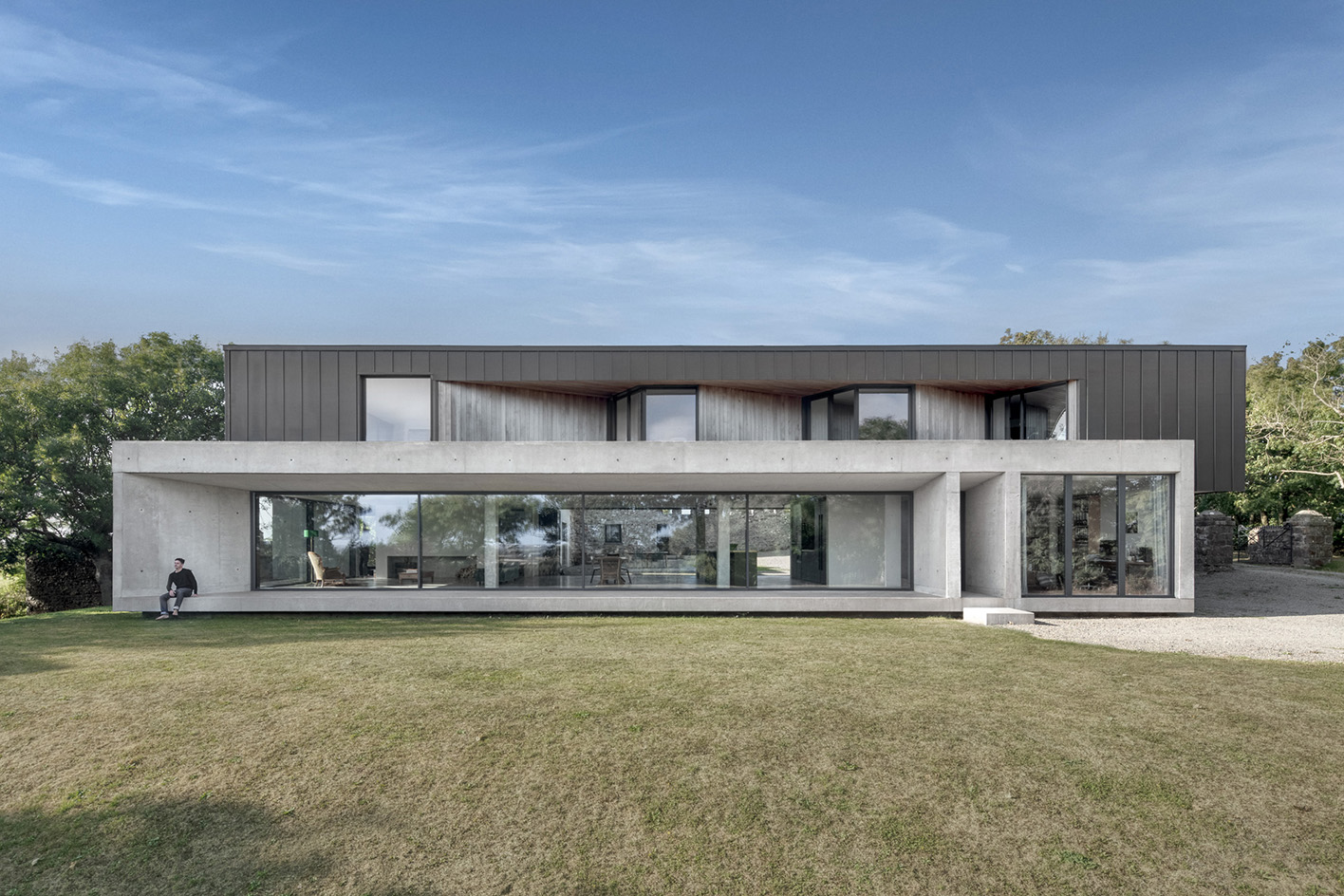
Buildings typically rely on basic shapes such as rectangles, squares, and linear volumes. These forms create visual calm and structural clarity.
Honest Use of Materials
Materials are shown as they are. Concrete looks like concrete. Wood retains its natural grain. There’s no attempt to disguise or overdecorate surfaces.
Balanced Proportions
Proportion plays a critical role. Windows, doors, and walls are carefully scaled to human dimensions, ensuring spaces feel neither overwhelming nor cramped.
Neutral Color Palette
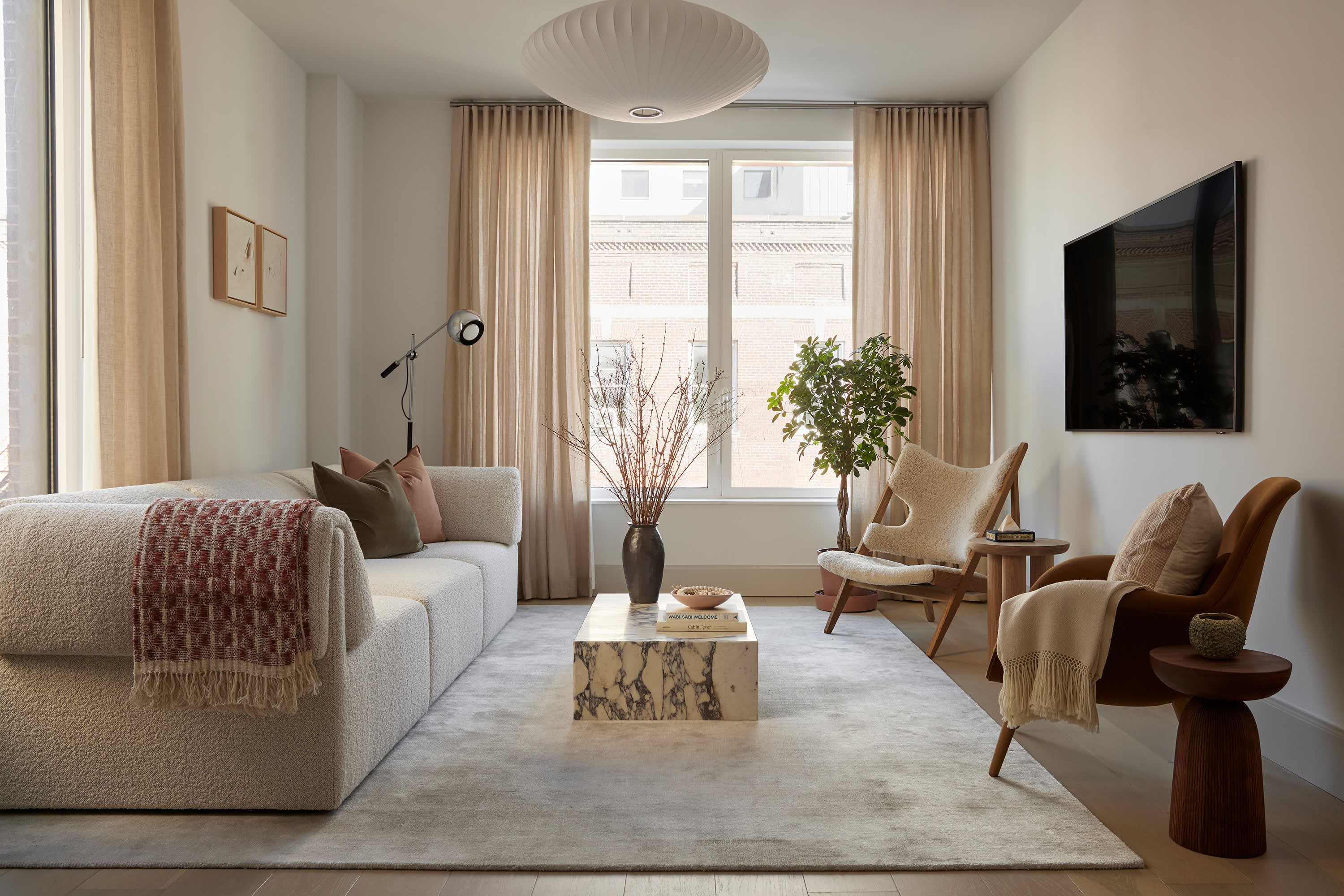
Most designs use whites, grays, earth tones, and muted shades. This allows light and shadow to become natural design elements.
How KDArchiStyle Differs From Minimalism
Although often confused with minimalism, kdarchistyle is not about extreme reduction. Minimalism can sometimes feel cold or overly rigid.
KDArchiStyle, on the other hand:
- Allows subtle texture and warmth
- Embraces human comfort
- Adapts to cultural context
- Balances logic with emotion
In reality, what is basic architectural style kdarchistyle sits between functional modernism and human-centered design.
Applications in Residential Architecture
Homes Designed for Daily Life
In residential projects, kdarchistyle creates homes that feel calm and practical. Open-plan layouts encourage family interaction, while smart zoning maintains privacy.
Large windows maximize daylight, reducing energy consumption and improving mental well-being. Storage is integrated into walls to keep spaces uncluttered.
Emotional Comfort Through Space
Good architecture doesn’t shout—it reassures. Homes built with this style often feel peaceful because the design avoids visual chaos.
Use in Commercial and Public Buildings
Offices and Workspaces
In offices, this style supports productivity. Clear circulation paths, flexible layouts, and natural lighting reduce stress and improve focus.
Educational and Public Spaces
Schools, libraries, and community centers benefit from the clarity of kdarchistyle. Users intuitively understand where to go and how to use the space.
Sustainability and Environmental Considerations
Energy Efficiency by Design
Because the style emphasizes orientation, ventilation, and daylight, many buildings naturally consume less energy.
Material Efficiency
By avoiding unnecessary layers and finishes, construction waste is reduced. This aligns perfectly with sustainable architecture goals.
KDArchiStyle Design Process Explained
Step 1: Understanding the Purpose
Every project begins with deep analysis—who will use the space, how often, and for what activities.
Step 2: Simplifying the Program
Architects remove non-essential elements to arrive at a clean spatial concept.
Step 3: Refining Form and Flow
Circulation, sightlines, and transitions are refined until the building feels intuitive.
Step 4: Material and Detail Selection
Only materials that add value—functionally or emotionally—are selected.
Common Misconceptions About KDArchiStyle
“It’s Too Plain”
In reality, simplicity highlights quality. Poor design hides behind decoration; good design stands confidently without it.
“It Lacks Creativity”
Creativity in kdarchistyle appears in spatial solutions, proportions, and problem-solving rather than surface decoration.
Real-Life Examples and Practical Scenarios
Imagine a small urban house. Instead of multiple decorative rooms, the architect creates one flexible living space, oriented toward light and airflow. Storage is hidden. Materials are durable. The result feels larger than it is.
That’s what is basic architectural style kdarchistyle in practice—design serving life, not the other way around.
Infographic: Core Principles of KDArchiStyle


Personal Background and Financial Perspective (If Applicable)
KDArchiStyle is often associated with independent studios and architects rather than celebrity “starchitects.” Many professionals adopting this approach focus on long-term value rather than flashy portfolios.
From a financial perspective, projects using this style often achieve:
- Lower construction costs
- Reduced maintenance expenses
- Higher long-term usability
This makes it appealing to both private homeowners and commercial investors.
Future of Basic Architectural Style KDArchiStyle
As cities grow denser and resources become limited, architecture that is efficient, adaptable, and emotionally intelligent will dominate. KDArchiStyle fits naturally into this future.
Smart homes, modular construction, and sustainable materials all align seamlessly with its principles.
FAQ Section
FAQs
What is basic architectural style kdarchistyle in simple terms?
It is a design approach that focuses on essential forms, function, and human comfort without unnecessary decoration.
Is kdarchistyle the same as modern architecture?
It is influenced by modern architecture but is more flexible and human-centered.
Can kdarchistyle work for small homes?
Yes, it is especially effective for small spaces because it emphasizes efficiency and clarity.
Does this style allow customization?
Absolutely. While the framework is simple, materials and layouts can be customized to user needs.
Is kdarchistyle expensive to build?
Often no. Simpler forms and fewer materials can reduce construction and maintenance costs.
How does kdarchistyle support sustainability?
Through energy-efficient layouts, reduced material waste, and long-lasting design choices.
Can commercial buildings use this style?
Yes, offices, schools, and public buildings benefit greatly from its clarity and functionality.
Is ornamentation completely banned?
Not banned—just used sparingly and only when it adds real value.
Conclusion
Understanding what is basic architectural style kdarchistyle means understanding architecture at its most honest. It’s not about trends or visual noise—it’s about creating spaces that quietly support human life, day after day.
In a world where design often chases attention, this style chooses purpose. And that, ultimately, is why it continues to grow in relevance and respect.